




Check Engine Lights Are Warning Signs
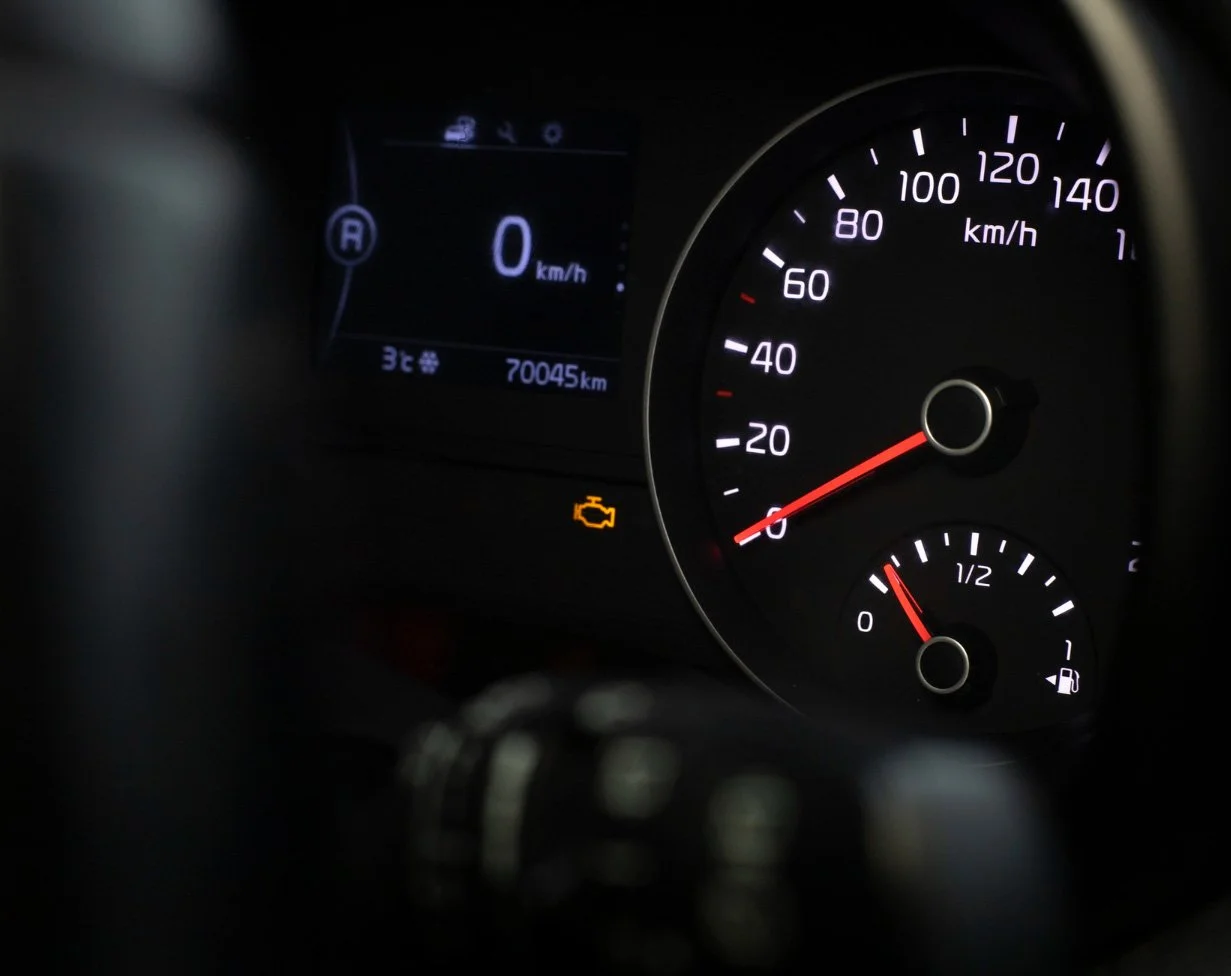
A car’s check engine light is a warning of something wrong in the car — and should be paid attention to — but isn’t a very specific warning. The light can be triggered by a wide range of conditions, from simple fixes like needing the gas cap screwed on to much more severe problems, so it’s important to take dashboard warnings seriously, particularly if your light is blinking. A solid check engine light is considered an alert, while a blinking check engine light is a warning of a serious problem or potential danger.
Advanced Diagnostics
We’ll Find What’s Wrong
There’s no need to panic, though. Your check engine light, no matter the severity, doesn’t have to stay a mystery. Your ASE-Certified auto technicians use our top-of-the-line diagnostic technology to talk with your car’s internal computer and access the error code that triggered the engine light. This tells us exactly what the problem is.


Common Causes for a Check Engine Light
There are many potential causes for a check engine light turning on, but here are a few of the most common:
Loose Gas Cap
If your gas cap is not fully screwed in, it can trigger your check engine light. Try unscrewing and retightening the gas cap to fix this issue.
Faulty Oxygen Sensor
If your oxygen sensor is not working, it can lead to your car burning too much fuel.
Faulty Oxygen Sensor
Dying Battery - A battery that will no longer hold a charge will trigger your check engine light
Catalytic Converter Problems
Problems with the catalytic converter could lead to excess pollutants being released from your exhaust.
Spark Plugs
If your spark plugs have worn out, they can lead to misfires or other engine problems.